Planning a trip to India’s iconic Golden Triangle—Delhi, Agra, and Jaipur? One of the first questions most travelers ask is: When is the best time to visit the Golden Triangle in India?
The answer isn’t the same for everyone. Some travelers look for cool, comfortable weather. Others prefer fewer crowds and better hotel prices. And many want the perfect light for experiencing the Taj Mahal at sunrise.
In this detailed 2026 travel guide, we break down the best time to visit the Golden Triangle based on weather conditions, tourist seasons, crowd levels, and overall travel experience — so you can confidently plan your Delhi–Agra–Jaipur journey the right way.
Whether you’re considering a short 3-day trip or a relaxed 5-day private tour, understanding the ideal season can make a big difference in your overall experience.
Quick Answer – What Is the Best Time to Visit Golden Triangle?
The best time to visit the Golden Triangle (Delhi, Agra, and Jaipur) is October to March.
During these months, North India experiences its most pleasant weather, making sightseeing comfortable and enjoyable. Temperatures remain moderate, the skies are generally clear, and outdoor exploration becomes much easier compared to the intense summer heat.
Here’s why October to March is considered ideal:
- Pleasant daytime temperatures (10°C–25°C) – Perfect for walking tours and monument visits
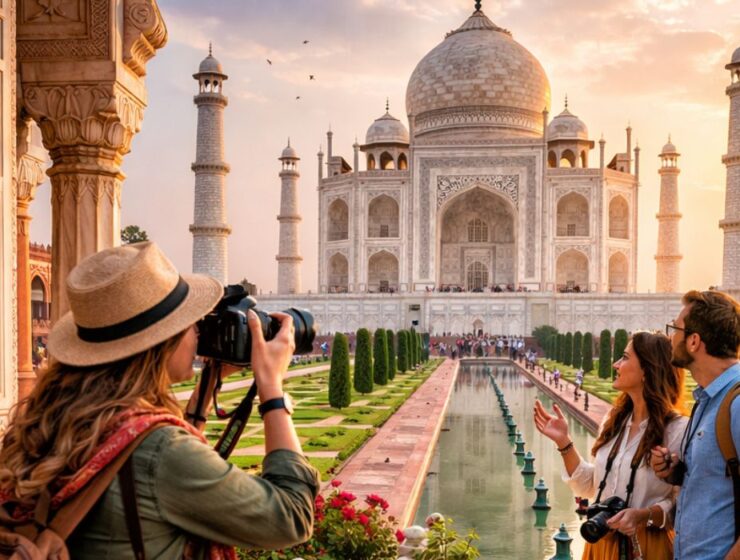
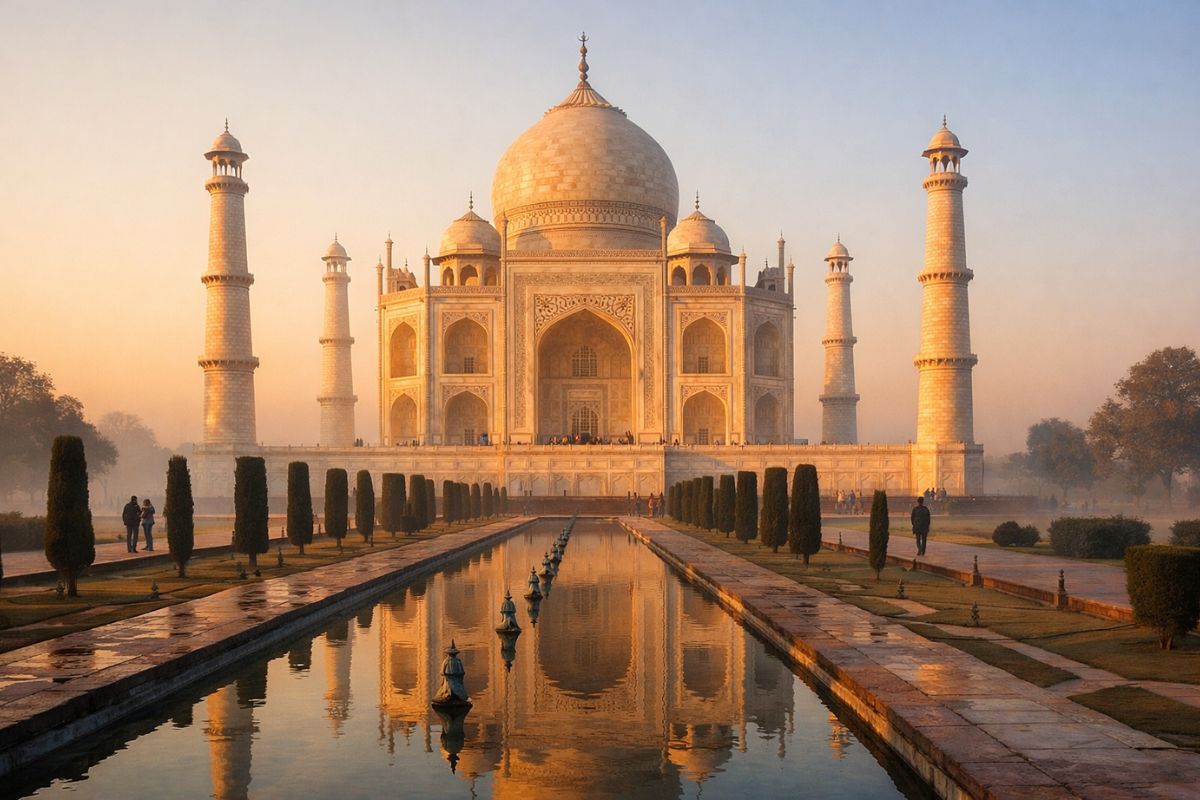
- Clear winter skies – Ideal for Taj Mahal sunrise and sunset views
- Comfortable conditions for exploring forts, palaces, and heritage markets
- Best photography season with soft golden morning light
- Peak tourist season – Advance hotel and transport booking recommended
This period is especially recommended for first-time visitors who want the most balanced and comfortable travel experience.
However, if you prefer a quieter atmosphere and better hotel deals, the monsoon season (July to September) can also be a smart choice. While there may be occasional rainfall, the landscapes turn greener, crowds are lighter, and you can enjoy a more relaxed experience at major attractions.
Summer months (April to June) are generally not recommended unless you are comfortable with high temperatures that can exceed 40°C.
Planning Your Golden Triangle Trip?
If you are planning to travel between October and March, it’s wise to organize your itinerary in advance. This is the busiest season for Delhi, Agra, and Jaipur, and popular hotels and sunrise Taj Mahal entry slots often fill quickly.
A well-planned tour ensures:
- Smooth city transfers without last-minute stress
- Priority timing for Taj Mahal sunrise visits
- Better hotel availability and pricing
- Efficient route planning to avoid traffic delays
We assist travelers in organizing a comfortable and personalized Golden Triangle experience, including:
- Private air-conditioned car with experienced local driver
- Flexible Delhi–Agra–Jaipur itinerary customization
- Taj Mahal sunrise visit with optional professional photography experience
- Hotel selection assistance based on your travel style and budget
- Guidance on the best visiting times to avoid peak crowd hours
Whether you’re planning a 3-day express trip or a relaxed 5-day private tour, having the right plan can significantly improve your overall experience.
Golden Triangle Weather by Season
The Golden Triangle route — Delhi, Agra, and Jaipur — experiences three main travel seasons: winter, summer, and monsoon. Each season offers a different experience in terms of temperature, crowd levels, and overall comfort.
Understanding these seasonal differences can help you choose the right time based on your travel style and expectations.
Winter (October – March) – Best Overall Season
Winter is widely considered the best time to visit the Golden Triangle and is the most popular season among international and domestic travelers.
Temperature Range: 8°C – 25°C
During these months, the weather remains cool and pleasant, especially from November to February. Daytime sightseeing is comfortable, and mornings offer beautiful soft light — particularly ideal for visiting the Taj Mahal at sunrise.
Why winter is ideal:
- Comfortable temperatures for full-day sightseeing
- Clear skies and excellent visibility at major monuments
- Ideal conditions for walking tours and outdoor exploration
- Perfect season for photography enthusiasts
- Festivals and cultural events enhance the experience
However, this is also the peak tourist season, meaning hotels and private drivers are in high demand. Advance planning is highly recommended to secure the best arrangements.
Winter is especially ideal for first-time visitors who want the most balanced and enjoyable Golden Triangle experience.
Summer (April – June) – Hot but Less Crowded
Summer in North India can be intense, with temperatures often exceeding 40°C, particularly in Agra and Jaipur.
Temperature Range: 30°C – 45°C
Midday sightseeing can feel exhausting due to strong heat and dry winds. However, summer also brings certain advantages for travelers who can handle warmer climates.
Advantages of summer travel:
- Significantly fewer tourists at major attractions
- Better hotel rates and tour discounts
- Easier access to monuments without long lines
- Quieter experience at the Taj Mahal during early morning hours
Travelers visiting during summer should plan sightseeing early in the morning or late in the afternoon to avoid peak heat.
This season works best for budget-conscious travelers or those who prefer avoiding heavy tourist crowds.
Monsoon (July – September) – Green & Budget-Friendly
Monsoon season brings occasional rainfall to Delhi, Agra, and Jaipur. While rain showers may occur, they are often short and followed by clearer skies.
Temperature Range: 25°C – 35°C
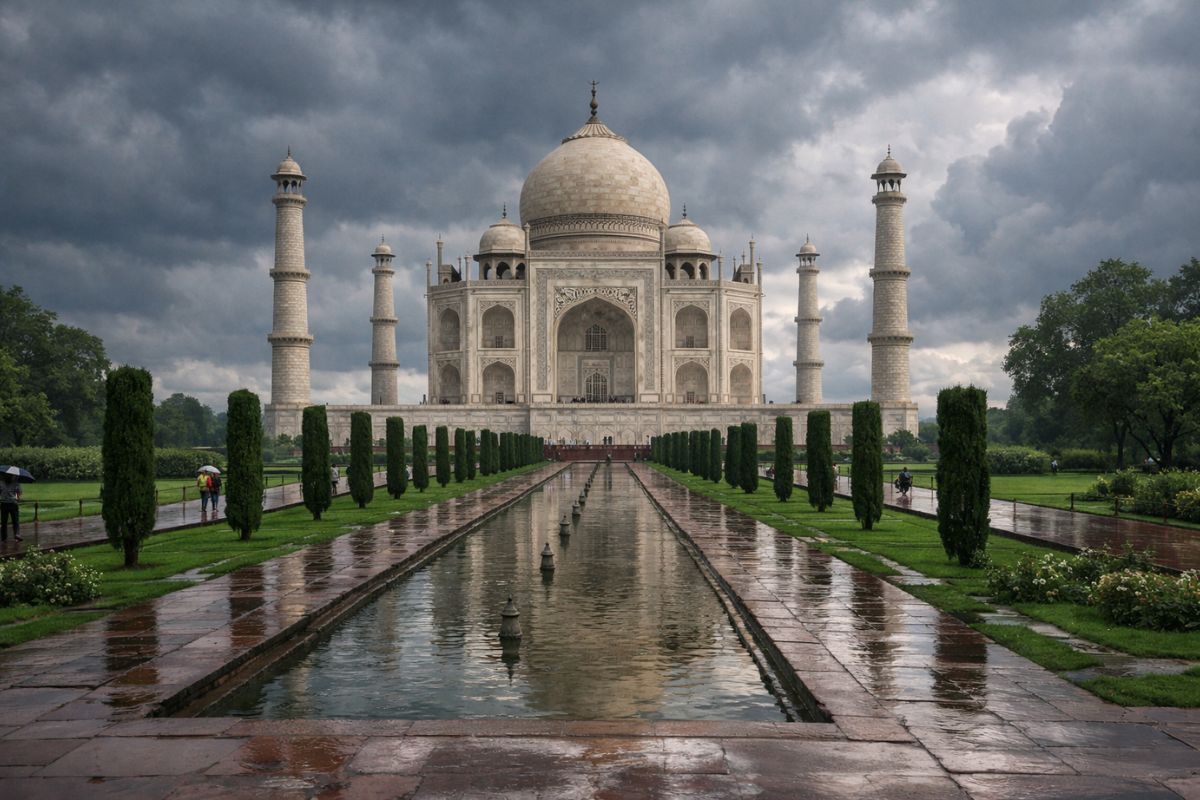
One of the biggest advantages of traveling during monsoon is the transformation of landscapes. Gardens and surroundings become greener, and the Taj Mahal often appears especially striking against dramatic cloudy skies.
Why some travelers prefer monsoon:
- Moderate tourist traffic
- Better hotel availability and lower pricing
- Lush scenery and refreshing atmosphere
- Unique reflection photography opportunities at the Taj Mahal
Although humidity can be slightly higher, the overall experience can feel calmer and more relaxed compared to peak winter months.
Monsoon is a smart option for travelers who want a quieter and more budget-friendly Golden Triangle experience.
Crowd Levels & Travel Experience
The Golden Triangle — Delhi, Agra, and Jaipur — is one of India’s most visited tourist circuits, attracting millions of travelers each year. While the experience is incredible, understanding crowd patterns can significantly improve your trip.
Each city has its own travel rhythm:
Delhi – Busy Year-Round
As India’s capital, Delhi remains active throughout the year. Popular attractions such as India Gate, Qutub Minar, and Humayun’s Tomb see steady visitor flow in all seasons. However, winter months (November–February) bring a noticeable surge in international tourists.
Traffic can be heavy during peak hours, so planning your sightseeing schedule carefully is important.
Agra – Extremely Crowded During Winter Mornings
Agra, home to the Taj Mahal, experiences its highest visitor numbers between October and March. Sunrise and early morning entry slots are particularly busy during this period.
Weekend mornings and public holidays often see long security lines at the Taj Mahal entrance. Without proper timing, visitors may spend more time waiting than exploring.
For a smoother experience:
- Arrive early (before sunrise)
- Pre-book tickets and transport
- Avoid peak weekend hours
Many travelers prefer arranging a private sunrise visit with a planned schedule to minimize waiting time and crowd pressure.
Jaipur – Peak Season During Festivals
Jaipur sees higher tourist traffic during winter and major cultural festivals such as Diwali and Jaipur Literature Festival. The city’s forts and palaces remain spacious compared to Agra, but hotel availability can become limited during festival periods.
Booking accommodations in advance during winter ensures better pricing and location options.
Understanding crowd behavior helps you choose not just the best season — but the best daily timing for each city.
How Many Days Do You Need for Golden Triangle?
The ideal duration for a Golden Triangle tour depends on how relaxed or fast-paced you want your journey to be.
Here’s a general guideline:
3 Days – Fast-Paced Overview
- Quick exploration of Delhi
- Sunrise Taj Mahal visit in Agra
- Major highlights of Jaipur
This option works for travelers with limited time but can feel rushed.
5 Days – Ideal Balance (Most Recommended)
- Proper exploration of Old and New Delhi
- Taj Mahal sunrise + Agra Fort
- Comfortable transfer to Jaipur
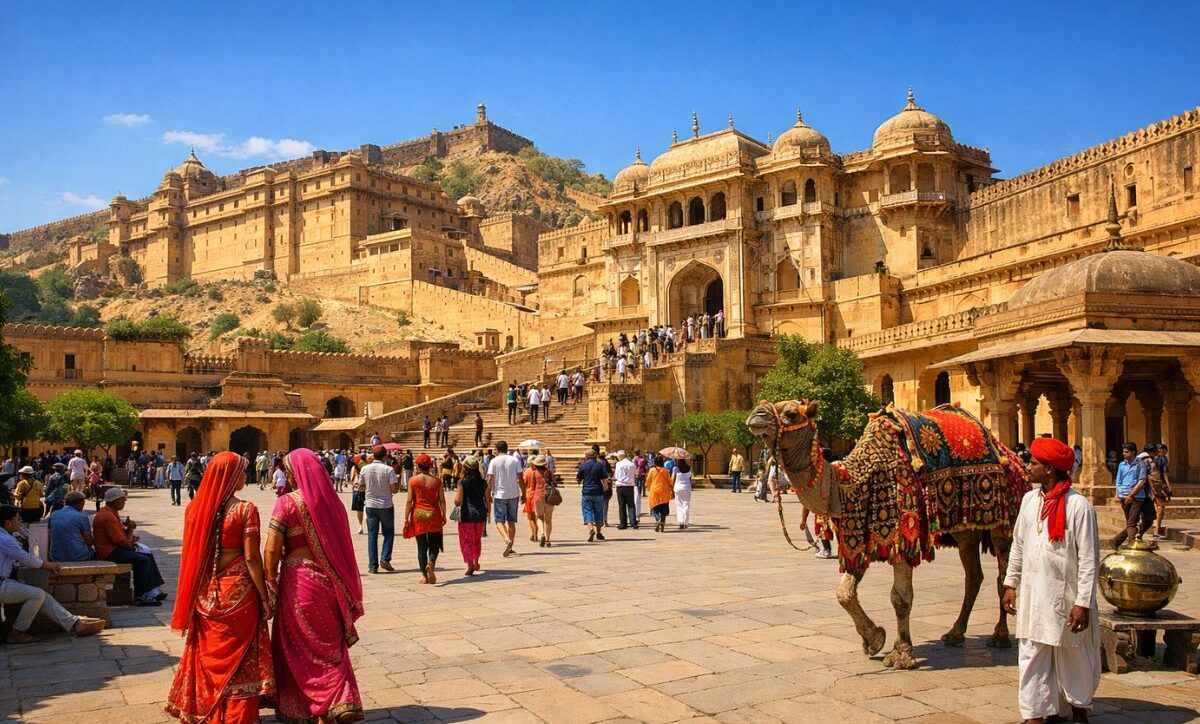
- Amber Fort, City Palace, and local markets
A 5-day itinerary offers the best balance between sightseeing and relaxation. It allows time for photography, cultural experiences, and enjoying each city without constant travel pressure.
6+ Days – Relaxed Exploration
With 6 days or more, you can:
- Add Fatehpur Sikri
- Explore local markets and heritage walks
- Include cultural experiences or photography sessions
- Travel at a slower, more comfortable pace
Most travelers choose a 5-day private Golden Triangle tour to fully experience Delhi, Agra, and Jaipur without feeling rushed, while still maintaining a smooth and well-organized journey.
Best Time for Taj Mahal Photography
For travelers who want more than just sightseeing — and wish to capture timeless memories — timing plays a crucial role.
The best time for Taj Mahal photography is during the winter months, especially November to February, when the light, atmosphere, and comfort levels align perfectly.
Why winter mornings are ideal:
- Soft golden sunrise lighting that enhances the marble’s natural glow
- Clearer skies and improved visibility for detailed architectural shots
- Pleasant outdoor temperatures for relaxed, unhurried photography
- Gentle morning mist effects that create a dreamy background
Early mornings, just after sunrise, provide the most magical conditions. The marble reflects warm tones, crowds are thinner compared to later hours, and the overall atmosphere feels calm and cinematic.
Monsoon season (July–September) can also create unique photography moments, with dramatic clouds and subtle water reflections around the monument.
Many modern travelers now choose to combine their Golden Triangle tour with a professional Taj Mahal photoshoot experience, allowing them to preserve their journey with high-quality, professionally captured images rather than relying only on phone photos.
This adds a premium and memorable touch to the entire Delhi–Agra–Jaipur experience.
Plan Your Golden Triangle Tour Stress-Free
Choosing the right season is the first step.
The next — and equally important — step is organizing transport, hotel stays, monument visits, and daily timing in a smooth and efficient way.
A well-planned Golden Triangle tour ensures:
- Comfortable intercity transfers without delays
- Proper timing for Taj Mahal sunrise visits
- Efficient sightseeing without unnecessary waiting
- Balanced pacing between exploration and relaxation
Our Golden Triangle tour arrangements include:
- Private air-conditioned vehicle with experienced driver
- Flexible itinerary customization based on your travel dates
- Taj Mahal sunrise visit planning
- Optional professional photography experience
- Assistance with hotel recommendations suited to your budget
Whether you are planning a short 3-day visit or a relaxed 5-day journey, having everything pre-arranged allows you to focus fully on enjoying the experience.
Get a Free Quote for Your Golden Triangle Tour
WhatsApp Us for Instant Assistance
Frequently Asked Questions
1. What is the best month to visit the Golden Triangle in India?
The best months to visit the Golden Triangle (Delhi, Agra, and Jaipur) are November to February. During this period, the weather is cool and comfortable, making sightseeing enjoyable. Clear winter mornings also provide the best conditions for visiting the Taj Mahal at sunrise.
2. Is summer a good time to visit the Golden Triangle?
Summer (April to June) can be extremely hot, with temperatures often exceeding 40°C, especially in Agra and Jaipur. While hotel prices may be lower and crowds thinner, sightseeing during midday can be challenging. If visiting in summer, early morning and late afternoon tours are recommended.
3. How many days are enough for a Golden Triangle tour?
A 5-day Golden Triangle tour is considered ideal. It allows enough time to explore Delhi, experience the Taj Mahal in Agra, and enjoy Jaipur’s forts and palaces without rushing. Shorter 3-day trips are possible but tend to be fast-paced.
4. When is the Taj Mahal least crowded?
The Taj Mahal is least crowded during early morning hours, right after opening time. Weekdays are generally better than weekends. Monsoon season (July to September) also sees lighter tourist traffic compared to peak winter months.
5. Can I customize my Golden Triangle tour itinerary?
Yes, most private Golden Triangle tours can be customized based on your travel dates, budget, and preferences. You can adjust trip duration, hotel category, sightseeing pace, and even include special experiences such as a professional Taj Mahal photoshoot.