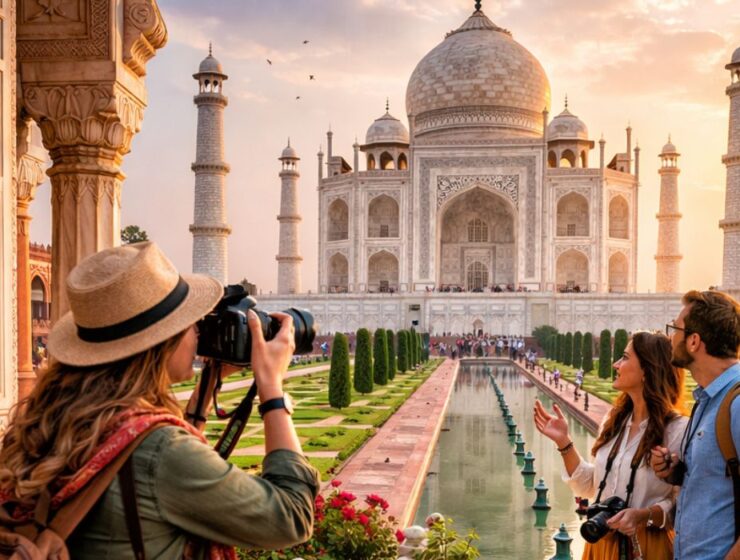
The Taj Mahal is one of the most photographed monuments in the world, but only a few visitors capture it in its most magical light. Whether you’re coming for a Taj Mahal Photography Tour, a Taj Mahal Sunrise Tour with Photography, or even a Same Day Taj Mahal Photography Tour by Car, one thing decides the quality of your pictures more than your camera: timing.
Light changes the Taj Mahal. It changes the color of the marble, the mood, the shadows, and the reflections. In this guide, you’ll learn exactly when to visit for the most breathtaking photos and how to make the most of every minute.
1. Sunrise – The Best Time for Magical, Dreamy Photos
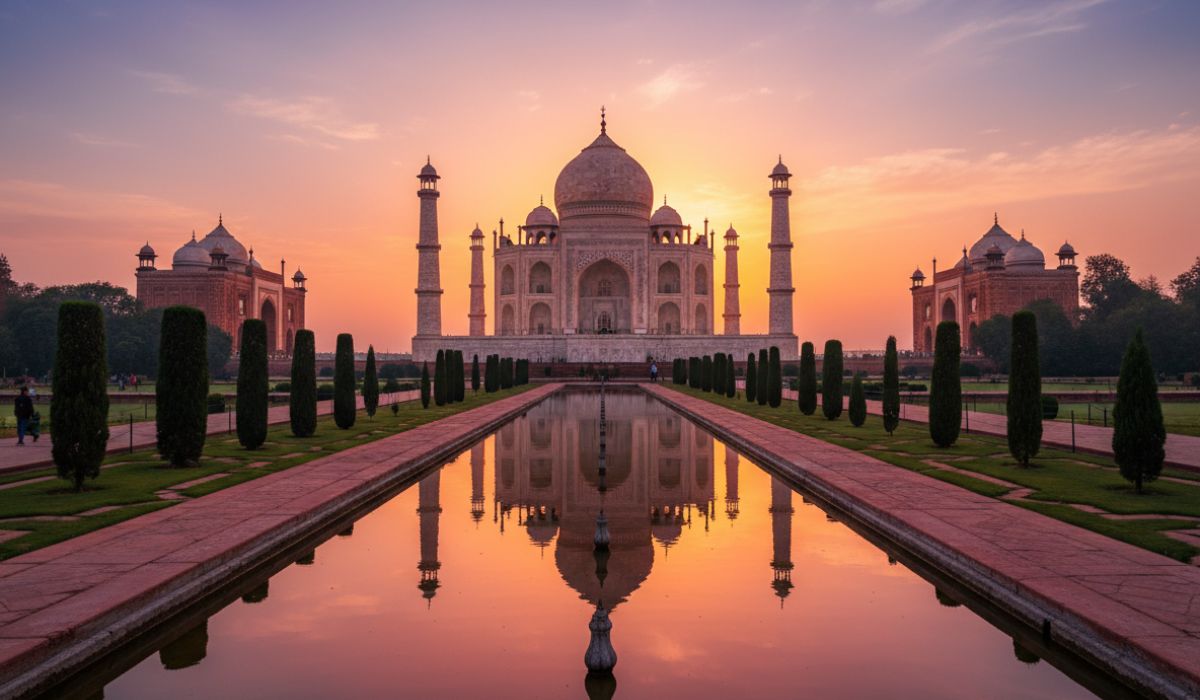
Why Sunrise Is the Best
Soft light creates gentle shadows
Very few crowds
Cool temperature
Marble looks pink, peach, and golden
Best reflection in the central pool
Photography Tips
Arrive 30–45 minutes before opening
First: shoot the main dome from the central walkway
Then: move to the right garden for warm golden glow
Use wide angle (0.5x on phone) for symmetry shots
Slightly lower exposure for richer colors
Sunrise is the top choice for professionals and travelers who want dreamy, romantic shots.
2. Late Morning – Best for Pure White Marble & Detail Shots
If your focus is architecture and detail work, late morning light is perfect. The marble shines pure white, and every carving becomes sharper.
Best For
Close-up shots of marble inlay
Arches and symmetrical patterns
Blue-sky wide-angle photos
Avoid 12 pm–2 pm because the light becomes too harsh. But 9–11 AM gives you clean, bright, easy-to-edit photos.
3. Sunset – Warm, Romantic, and Dramatic Colors
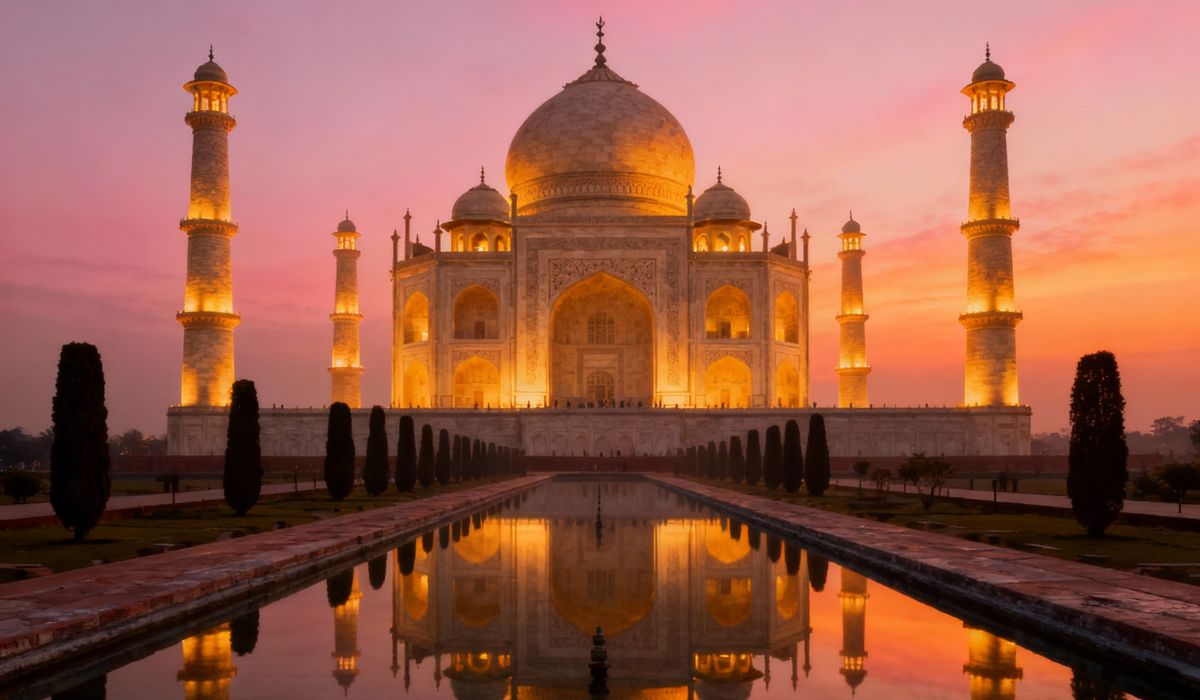
Sunset offers warm golden light that turns the Taj Mahal into a glowing monument with orange, red, and purple skies.
Best Sunset Viewpoint
Mehtab Bagh (across the Yamuna River)
Perfect for silhouette shots, wide frames, and romantic couple photos.
Best For
Portraits
Warm tones
Travel storytelling shots
If you’re doing a Same Day Taj Mahal Photography Tour by Car, combining Taj + Mehtab Bagh sunset is a perfect plan.
4. Full Moon View – Silver-Blue, Rare & Dreamlike
A few days each month, Taj Mahal opens for night viewing. Under moonlight, the marble turns silver-blue, creating one of the rarest photography experiences in India.
Notes:
Limited tickets
Tripods may be restricted
Best for long-distance, silhouette-style shots
This is ideal for photographers looking for a unique portfolio image.
5. Best Season for Taj Mahal Photography
October to March (Peak Season)
Cool weather
Clear skies
Deep sunrise colors
Best for any Taj Mahal Photography Tour
April to June (Hot Season)
Warm sunset tones
Very harsh midday sunlight
Carry light clothes + sunglasses
July to September (Monsoon)
Beautiful clouds
Softer, diffused light
Unpredictable weather
Great reflections after rain
6. Best Photography Spots Inside the Taj Mahal Complex
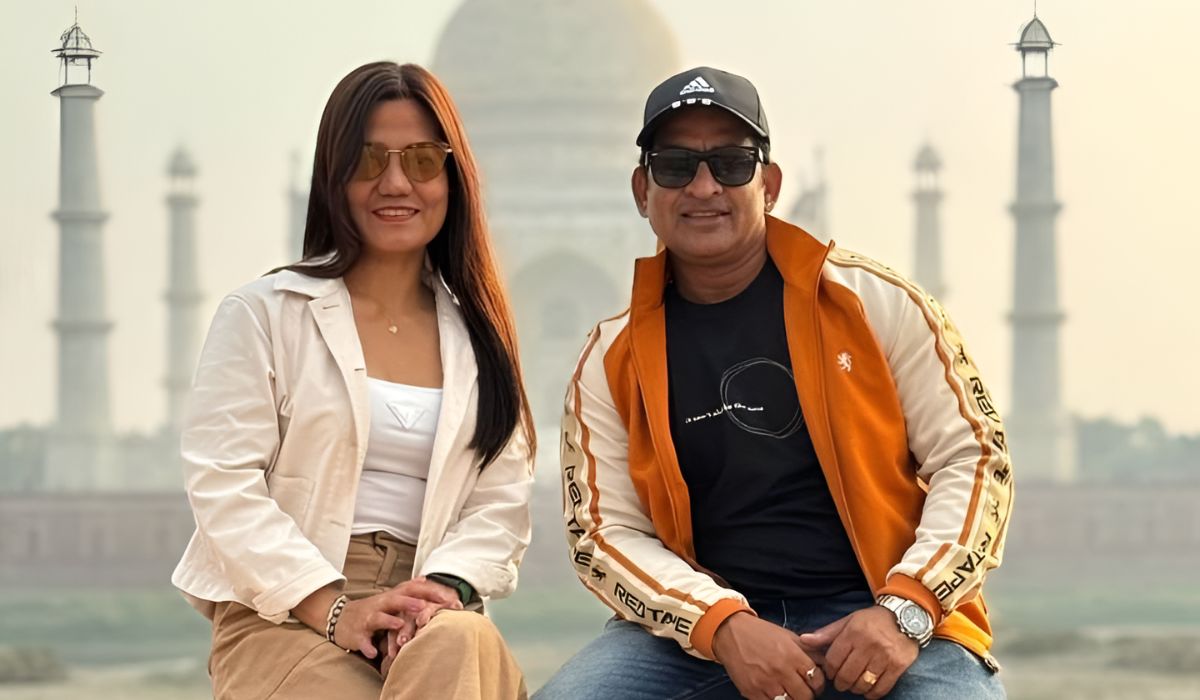
1. Central Reflecting Pool
The classic symmetrical shot. Best at sunrise.
2. Right-Side Garden
Perfect for golden sunrise angles.
3. Left Arched Gateways
Great for framing portraits.
4. Back Side (Riverside)
Less crowd, peaceful atmosphere.
These spots are especially valuable for anyone booking a Taj Mahal Photography Tour and wanting diverse photo angles.
7. Camera & Mobile Tips for Perfect Taj Mahal Photos
Use wide angle (0.5x) for the full dome + minarets
Tap to focus on the marble
Reduce exposure for richer tones
Frame people in the foreground for scale
Shoot reflections after rainfall
Use the arches to frame portraits naturally
Even a smartphone can capture stunning Taj Mahal shots with these simple techniques.
8. Ideal Itineraries for Perfect Light
Sunrise Photo Tour Plan
5:30 AM – Arrive at East Gate
6:00 AM – Main dome sunrise shot
6:20 AM – Reflection pool
6:40 AM – Right garden warm glow shots
7:00 AM – Close-up architecture
8:00 AM – Breakfast break
This is the standard flow for a Taj Mahal Sunrise Tour with Photography.
Same-Day Photo Tour (From Delhi by Car)
This fits perfectly with a Same Day Taj Mahal Photography Tour by Car.
6:00 AM – Pickup from Delhi
9:00 AM – Arrive at Taj Mahal
Sunrise option (if early departure)
11:00 AM – Architectural photography
1:00 PM – Lunch
3:00 PM – Agra Fort short shoot
5:30 PM – Mehtab Bagh sunset shoot
7:00 PM – Return to Delhi
You get both sunrise/sunset options plus day photography coverage.
Conclusion
The Taj Mahal looks different in every light, but the best photos come when timing, light, and planning match perfectly. Sunrise gives dreamy pink-gold light. Late morning gives crisp white marble. Sunset adds warm dramatic tones. Full moon creates magic.
Whether you’re planning a Taj Mahal Photography Tour, a Taj Mahal Sunrise Tour with Photography, or a Same Day Taj Mahal Photography Tour by Car, understanding light will transform your pictures from average to unforgettable.
FAQs
1. What is the best time to visit the Taj Mahal for photography?
The best time to visit the Taj Mahal for photography is sunrise, when the marble glows pink and golden. It’s also the least crowded time and perfect for a Taj Mahal Photography Tour.
2. Is sunrise better than sunset for Taj Mahal photos?
Yes. Sunrise offers softer, cleaner light and fewer visitors. Sunset is great too, especially from Mehtab Bagh, but sunrise is ideal for a Taj Mahal Sunrise Tour with Photography.
3. Which month is best to visit the Taj Mahal for clear photos?
The best months are October to March, when the sky is clearer, the weather is cooler, and you get better sunrise and sunset colors.
4. Can I visit the Taj Mahal and take photos in one day from Delhi?
Absolutely. A Same Day Taj Mahal Photography Tour by Car allows you to travel from Delhi, capture sunrise or late-morning shots, and return the same day.
5. Are tripods allowed inside the Taj Mahal?
Tripods are generally not allowed inside the main complex. Handheld cameras and mobile phones are permitted. For tripod shots, visit Mehtab Bagh.
6. What is the best spot inside Taj Mahal for pictures?
The central reflecting pool is the most popular. The side gardens, arched gateways, and riverside viewpoints also offer stunning, symmetrical shots.