Few places on Earth are as photogenic as the Taj Mahal. From its flawless white marble to its shimmering reflections in the Yamuna River, every angle of this wonder seems designed for a camera lens. But what truly makes a photo unforgettable isn’t just the monument — it’s the light. In this guide, we’ll walk you through the magic of the Taj Mahal’s light — from the first glow of sunrise to sunset — and share expert tips to help you make the most of your Taj Mahal Photography Tour.
Taj Mahal Sunrise Photography Guide — When the Taj Mahal Wakes Up
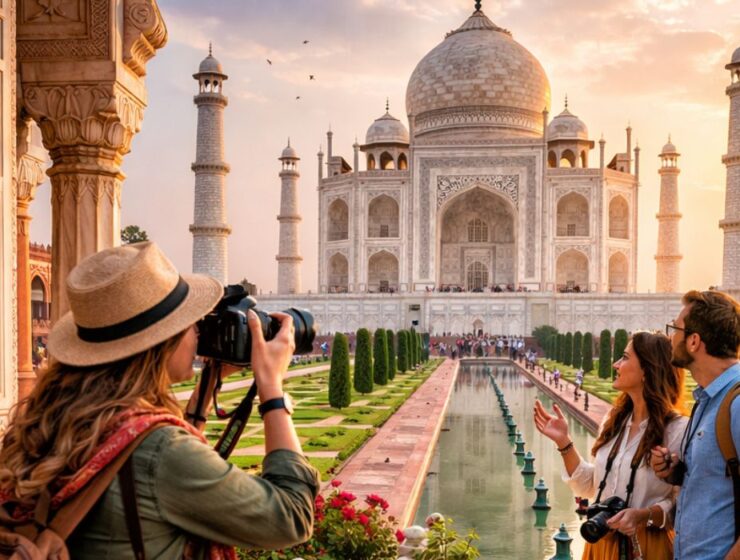
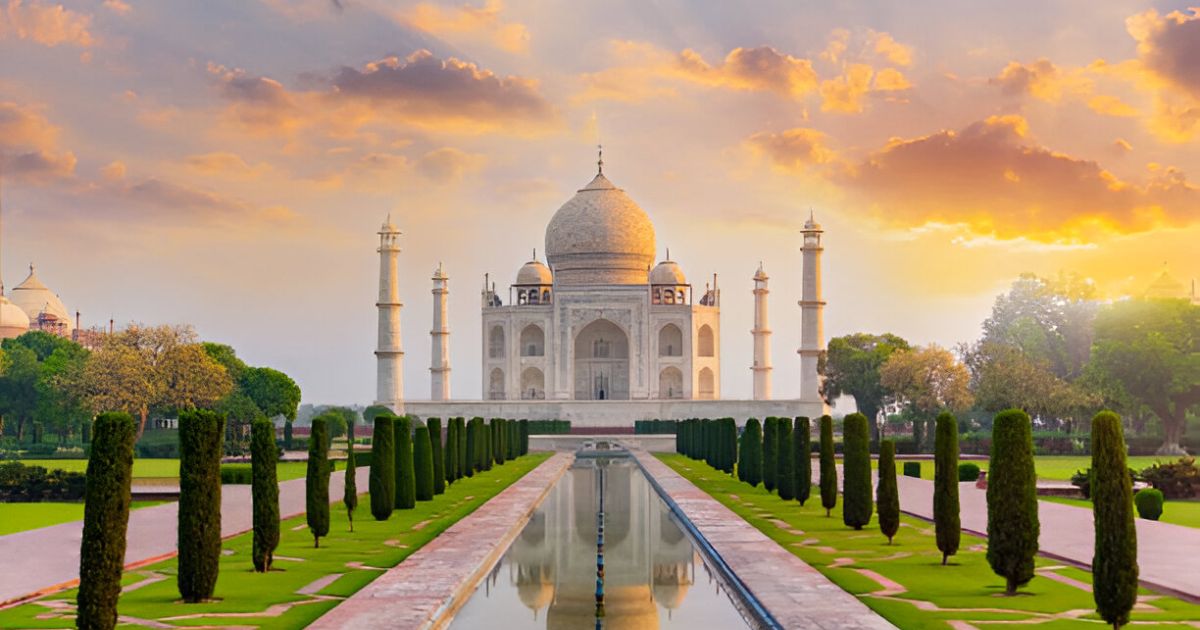
A Taj Mahal sunrise photography experience offers some of the most balanced natural lighting conditions for capturing architectural symmetry and reflection shots. During sunrise in Taj Mahal complex, the soft golden tones gently illuminate the white marble, allowing photographers to capture clear compositions without harsh contrast.
Photographing the Taj Mahal at sunrise is ideal for wide-angle landscape shots as well as portrait-style travel photography. Many professionals plan a dedicated sunrise Taj Mahal photography session to capture the monument’s early morning atmosphere before visitor movement begins.
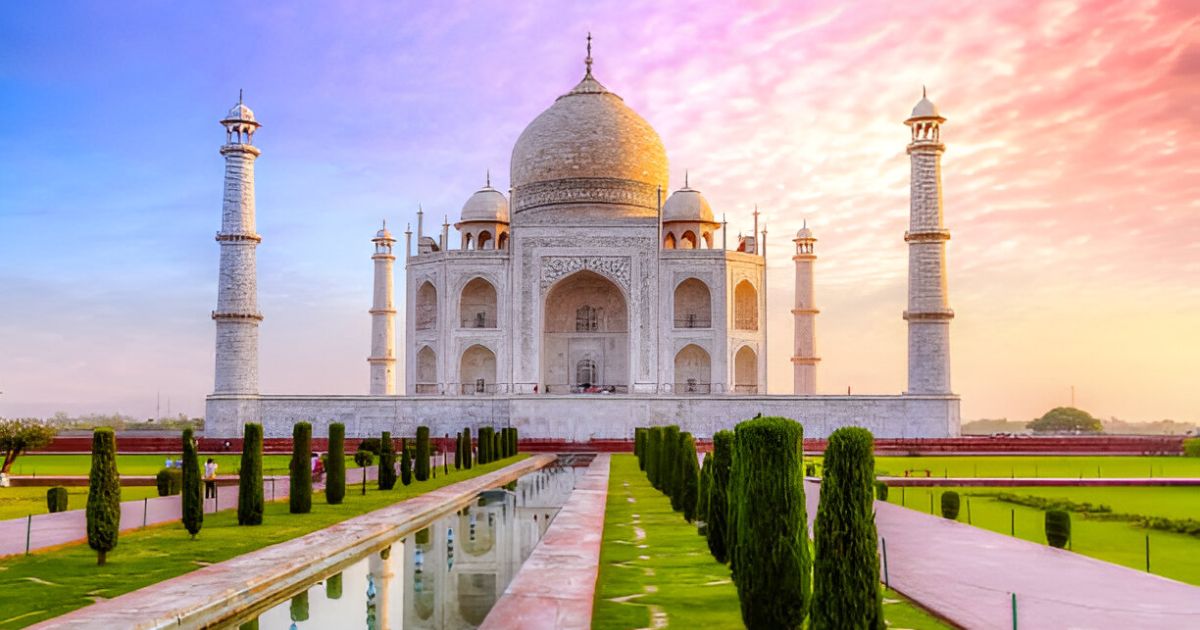
One of the biggest advantages of shooting the Taj Mahal sunrise is the opportunity to capture a perfect Taj Mahal sunrise reflection in the central water channel. This reflection-based composition is considered one of the most iconic photography styles at this location.
For the best Taj Mahal sunrise view, position yourself along the main reflection pool within the first 15–20 minutes after sunrise, when the lighting remains soft and evenly distributed across the marble surface.
Best time to arrive:
- Be at the East Gate around 5:30 AM (before gates open).
- The first 15–20 minutes after sunrise offer the most delicate light.
Photography tips:
- Use a wide-angle lens to capture the monument and its reflection in the central pool.
- A low ISO (100–200) and tripod (if allowed; tripods are usually restricted inside but fine outside the complex) will help you maintain image clarity.
- Focus on symmetry — the Taj Mahal’s design rewards centered compositions.
Bonus tip:
If you’re on a Taj Mahal Sunrise Tour with Photography, ask your guide about hidden sunrise points like the Mehtab Bagh (across the river). From there, you can capture the Taj with the sun rising behind it — a view that feels straight out of a dream.
Mid-Morning Brilliance — The Marble in Its True Color
Best Taj Mahal Photo Spot for Mid-Morning Detail Photography
As the sun rises higher, mid-morning becomes the perfect time to explore every Taj Mahal photo spot that highlights architectural details and marble craftsmanship. The brighter light conditions during this time help reveal intricate carvings, calligraphy panels, and semi-precious stone inlay work across the monument’s surface.
While many photographers focus on the Taj Mahal at sunrise for wide compositions, mid-morning allows you to capture framed perspectives from the side arches of the mosque and guesthouse. These shaded viewpoints provide softer contrast, making them ideal for texture photography and close-up detail shots.
If you are planning a full-day photography experience, this is the best time to experiment with symmetry-based framing techniques using corridors, doorways, and patterned marble walls throughout the complex.
This is when the intricate carvings, marble inlays, and floral motifs are most visible.
Why this time is special:
- The monument shines brilliantly under the sun — perfect for detailed shots.
- You can explore without worrying about shadows that hide the carvings.
Photography tips:
- Use a polarizing filter to cut through glare and deepen the sky’s blue tones.
- Capture close-up details — pietra dura (semi-precious stone work), calligraphy panels, and marble textures.
- Experiment with black-and-white photography to emphasize symmetry and contrast.
Pro tip:
Walk toward the mosque on the left or the guesthouse on the right — both provide shade, beautiful framing arches, and softer contrast for portraits or artistic compositions.
Afternoon Warmth — Shadows and Depth
By early afternoon, the sun sits high, and the light becomes harsher. Many visitors leave, making it a perfect time for photographers who love dramatic contrasts.
Make the most of this light:
- Use shadows creatively — capture the play of light under the arches or along the marble walls.
- Switch to spot metering for better exposure control.
- The Yamuna River side often gives a soft reflection even during the day.
If you’re doing an Agra Overnight Tour with Taj Mahal Photography, use this time to explore nearby monuments like Agra Fort or Itmad-ud-Daulah (“Baby Taj”). Both offer fantastic architectural textures and perspectives that complement your Taj Mahal shots beautifully.
Golden Hour — The Taj in Liquid Gold
Taj Mahal at Sunset Photography Guide
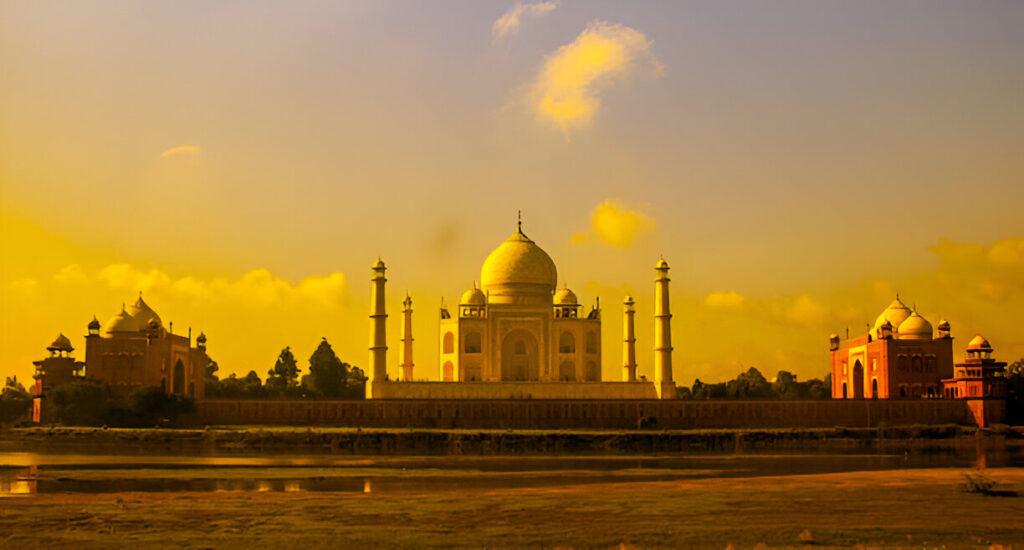
Photographing the Taj Mahal at sunset offers a completely different visual experience compared to morning light. As the day comes to an end, the changing sky tones reflect off the marble surface, allowing photographers to capture the monument in warm golden hues.
A well-timed Taj Mahal sunset shoot helps create dramatic silhouettes and depth-focused landscape compositions. During sunset at Taj Mahal, shadows begin to stretch across the garden pathways, making it an ideal moment for creative framing and portrait photography.
One of the most recommended locations for capturing a cinematic sunset Taj Mahal composition is Mehtab Bagh, where the Yamuna River adds a natural reflective foreground to the evening skyline.
For best results, shoot in RAW format during sunset to retain highlight and shadow detail across the monument’s structure.
Best locations for sunset photography:
- Mehtab Bagh — The riverbank view with the sun setting behind the Taj.
- Taj Mahal Forecourt — Capture the reflection pools glowing with warm light.
- Taj Nature Walk — Offers elevated viewpoints framed by greenery.
Photography tips:
- Shoot in RAW format to retain details in highlights and shadows.
- Experiment with silhouettes — use the arches of the mosque to frame the monument against the setting sun.
- For couples or portrait sessions, this is the most flattering natural light of the day.
Fun fact:
At sunset, the marble of the Taj reflects the changing sky — sometimes appearing golden, sometimes lavender, and sometimes pale blue. No two sunsets look the same here.
Taj Mahal Sunrise vs Sunset – Which is Better for Photography?
Many travelers and photographers often wonder whether to visit the Taj Mahal at sunrise or sunset for the best photography experience. Understanding the difference between Taj Mahal sunrise vs sunset lighting can help you plan your shoot more effectively.
Photographing the Taj Mahal at sunrise allows you to capture softer pastel tones and calm reflections in the central water channel, making it ideal for symmetry and landscape compositions. On the other hand, choosing the Taj Mahal sunset or sunrise timing depends on the type of photography you prefer.
If you are deciding between Taj Mahal sunrise or sunset, sunrise is perfect for reflection photography and balanced exposure, while sunset provides warm golden tones that are better suited for silhouette shots and dramatic framing.
For travel photographers planning a complete shoot, capturing both sunrise and sunset views can help you create a more diverse Taj Mahal photography portfolio in a single day.
After Sunset — The Blue Hour and Beyond
Taj Mahal Night Photography & Blue Hour Guide
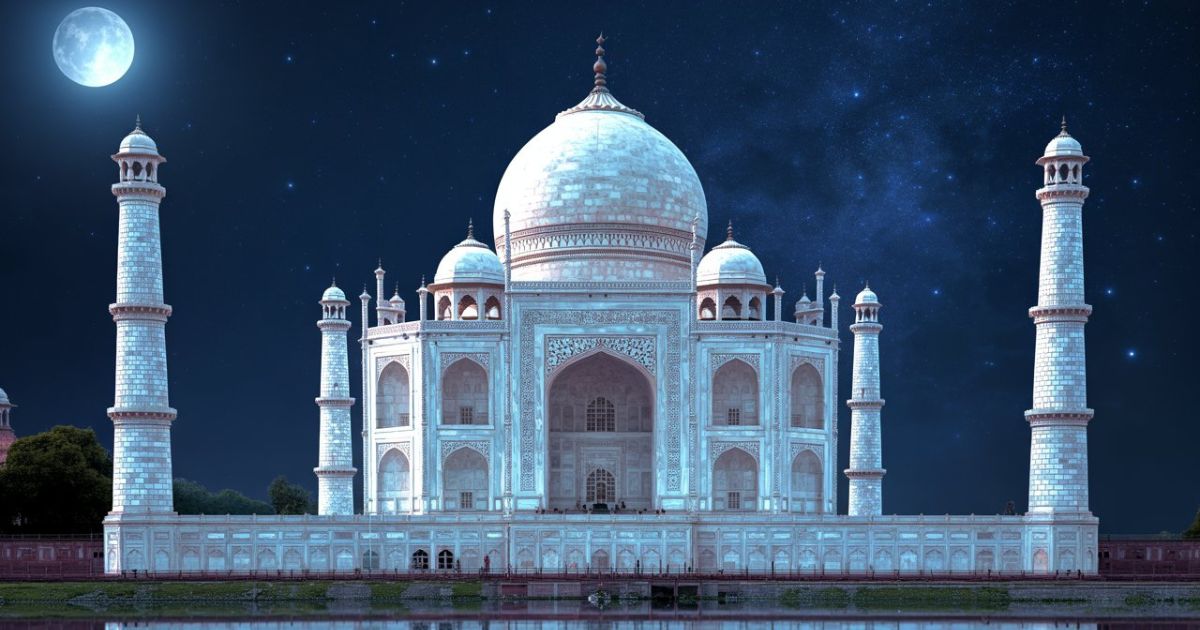
For photographers interested in low-light compositions, Taj Mahal night photography offers a unique opportunity to capture the monument in a calm and atmospheric setting. Just after sunset, the sky transitions into deep blue tones, creating a perfect backdrop for long exposure architectural shots.
During this phase, often referred to as blue hour, you can photograph the sunset Taj Mahal at night when reflections in the surrounding water become more pronounced and the overall lighting appears softer.
Using manual white balance and a slower shutter speed during Taj Mahal night photography helps maintain accurate marble tones while capturing the peaceful evening atmosphere around the monument.
For best results, plan your evening shoot immediately after sunset to take advantage of balanced ambient light before the surroundings become too dark for natural photography.
Why you shouldn’t pack up yet:
- The post-sunset tones create a cinematic backdrop for minimal-light photography.
- Reflections become more pronounced as the air cools.
- You can capture the transition between day and night — ideal for creative photographers.
Tips:
- Use a tripod for longer exposures (if allowed outside).
- Try slower shutter speeds to capture the serene atmosphere.
- Adjust white balance manually to keep the marble’s color true.
Pro experience:
On a professional Taj Mahal Photography Tour, your guide can help you time the transition perfectly — from sunset shots at Mehtab Bagh to post-sunset long exposures by the riverside.
Best Spots for Every Time of Day
| Time of Day | Best Location | Ideal Photography Focus |
| Sunrise | Main Gate & Reflection Pool | Wide-angle symmetry shots |
| Morning | Side arches & inlay details | Marble textures & carvings |
| Afternoon | Shadows along pathways | Contrast compositions |
| Sunset | Mehtab Bagh | Warm-tone silhouettes |
| Blue Hour | Riverbank & garden edges | Long exposure magic |
Practical Photography Tips for the Taj Mahal
- Tripods are generally not allowed inside the main complex — plan accordingly.
- Drones are strictly prohibited.
- Carry spare batteries and memory cards, as you’ll shoot a lot.
- Use a lens cleaning cloth — the marble reflects dust and smudges easily.
- Be mindful of people praying or meditating — always photograph respectfully.
Experience the Taj Mahal Through a Photographer’s Lens
Whether you’re a hobbyist or a professional, seeing the Taj Mahal from sunrise to sunset is an unforgettable experience. The changing light transforms not just the monument, but your perception of it.
If you’re passionate about capturing the perfect shot, join a Taj Mahal Photography Tour — designed especially for photography lovers. With expert guidance, local insight, and access to the best photo locations, you’ll not only take beautiful pictures but also understand the timeless relationship between light and marble.
After all, the Taj Mahal isn’t just a monument — it’s a masterpiece that reveals a new face with every sunrise to sunset.