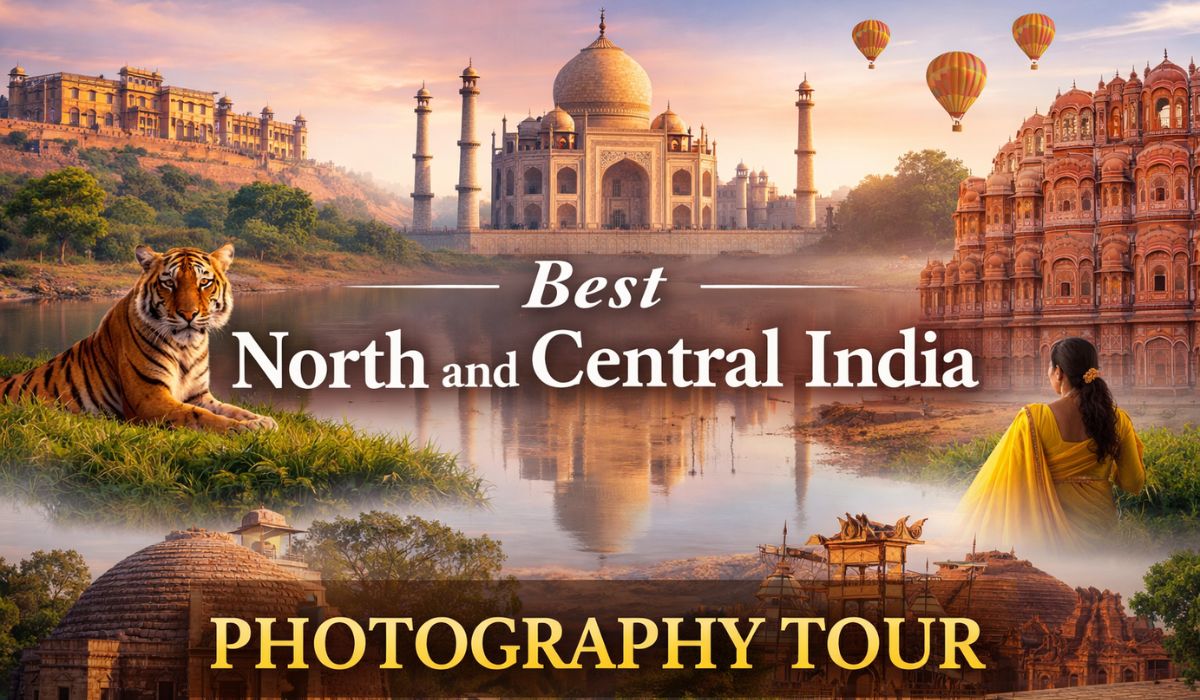
India is one of the most visually diverse countries in the world. From glowing white marble monuments to royal desert forts and wildlife reserves, North and Central India offer some of the most powerful photography experiences in Asia.
If you are planning an India photography tour, this guide compares North and Central India and explains why the Golden Triangle route is considered the most efficient 3-day photography tour in India.
For travelers with limited time who want maximum visual diversity, the Golden Triangle Tour 3 Days with Photography offers a structured and professionally timed experience covering Delhi, Agra, and Jaipur.
Why North and Central India Are Ideal for Photography
North and Central India offer one of the richest visual experiences for photographers anywhere in the world. Within a relatively compact region, you can capture imperial architecture, vibrant cultural life, sacred heritage sites, dramatic landscapes, and wildlife — all in a single journey.
This diversity is what makes the region especially attractive for an India photography tour.
North and Central India combine:
-
Mughal architecture with marble symmetry and intricate inlay work
-
Rajput forts and palaces with dramatic hilltop views
-
Cultural street photography in bustling bazaars
-
Spiritual heritage sites with atmospheric morning light
-
Wildlife safari photography in forest reserves
-
Sunrise and sunset monument shoots with golden tones
Few destinations allow you to photograph architectural precision, human emotion, ancient history, and bold colors within such short travel distances.
Whether you’re a DSLR photographer, mirrorless shooter, content creator, or even a smartphone traveler, the variety of subjects here allows you to experiment with composition, light control, framing, portraiture, and landscape techniques — all within a structured itinerary.
North India Photography Tour Highlights
North India is especially known for monumental architecture and geometric design. The region’s cities blend Mughal, Rajput, and colonial influences, creating visually powerful contrasts ideal for travel photography.
Key Photography Locations
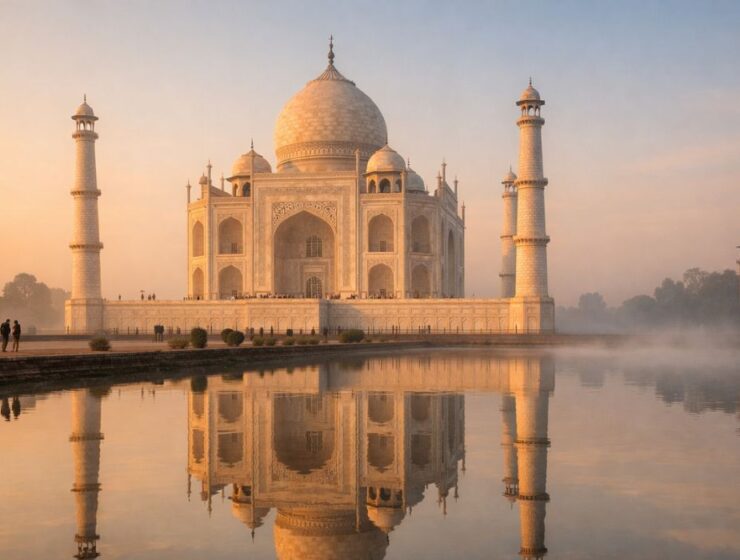
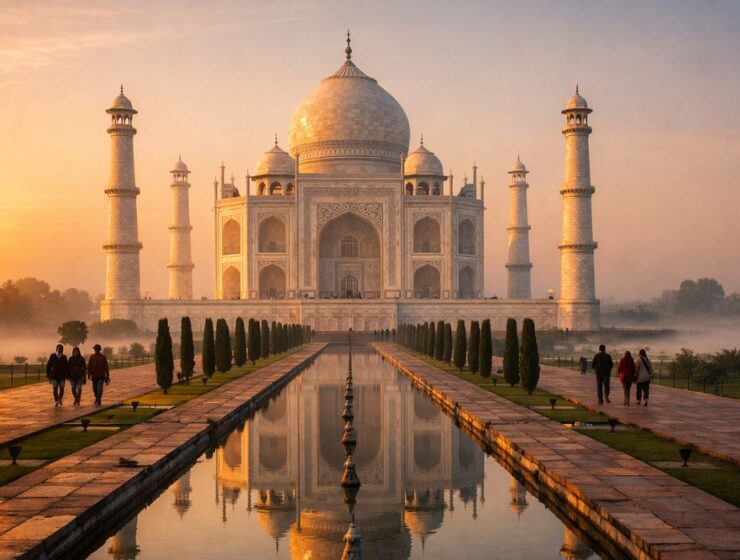
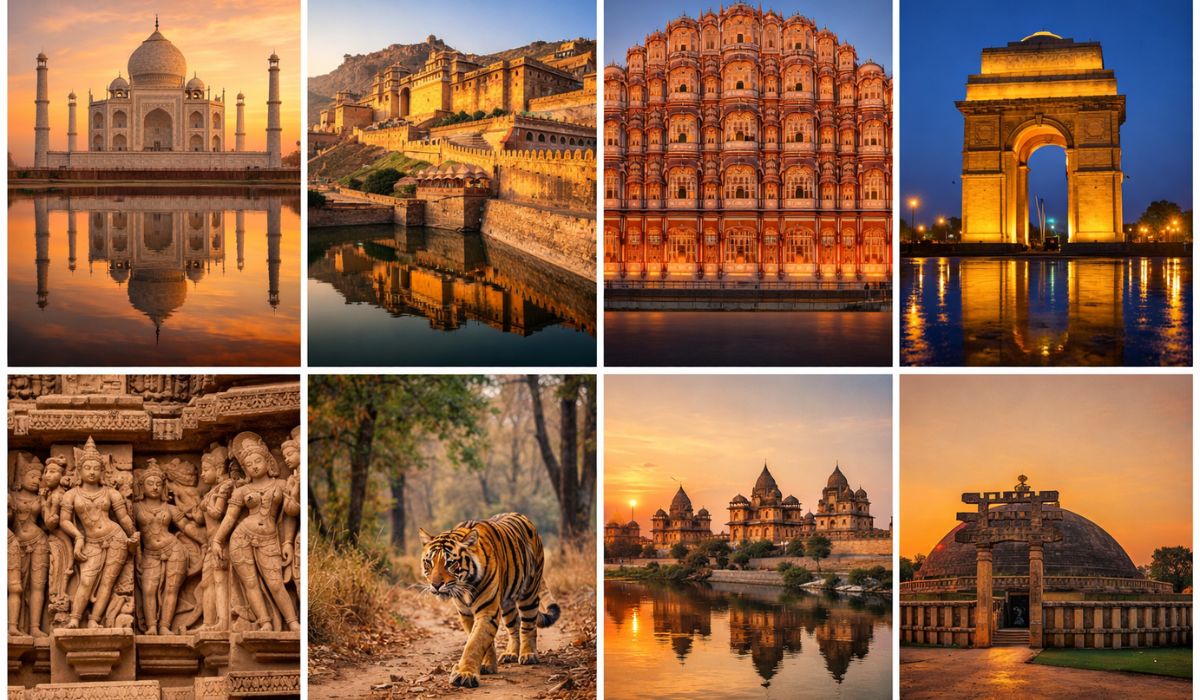
Taj Mahal – The ultimate sunrise photography location in India. The soft golden light reflecting off white marble creates perfect symmetry and balanced exposure. It’s ideal for wide-angle compositions, reflection shots, and detailed close-ups.
Amber Fort – A royal hilltop fort offering layered architecture, corridors, arches, and elevated viewpoints. The combination of sandstone textures and panoramic landscapes makes it excellent for dramatic compositions.
Hawa Mahal – Famous for its repetitive window patterns and pink façade, it provides strong geometric framing opportunities and symmetrical architectural photography.
India Gate – A striking urban monument in Delhi, best photographed during blue hour when the sky contrasts with illuminated architecture.
Why North India Is Perfect for a 3-Day Photography Tour
One of the biggest advantages of North India is efficiency.
-
Major photography landmarks are well connected by road.
-
Travel distances between Delhi, Agra, and Jaipur are manageable.
-
Sunrise and sunset shoots are predictable and easy to schedule.
-
The architectural density allows multiple strong compositions per day.
For photographers with limited time in India, the Golden Triangle route (Delhi–Agra–Jaipur) remains the most practical and visually rewarding option. In just three days, you can capture urban culture, Mughal masterpieces, Rajput fort architecture, and golden-hour monument photography without exhausting travel time.
Central India Photography Tour Highlights
While North India focuses on architecture and cultural diversity, Central India offers deeper immersion and wildlife-driven experiences.
This region moves at a slower pace and is better suited for photographers who prefer extended itineraries and nature-based storytelling.
Top Photography Destinations
Khajuraho temples – Known for detailed carvings and sculptural precision, these temples are ideal for close-up photography, texture studies, and shadow play during golden hour.
Bandhavgarh National Park – One of India’s most famous tiger reserves, offering wildlife photography opportunities including big cats, deer, birds, and forest landscapes.
Orchha – A historic riverside town with palace reflections, cenotaph silhouettes, and calm sunrise landscapes.
Sanchi Stupa – An ancient Buddhist monument offering minimalist architectural compositions and peaceful sunrise scenes.
Best For
-
Central India is best suited for:
-
Wildlife photography tours in India
-
Landscape and rural storytelling
-
Temple architecture detail photography
-
Slow-paced 5–8 day itineraries
Unlike North India’s dense monument circuit, Central India requires more travel time between locations. However, it rewards patience with quieter environments and natural compositions.
-
North vs Central India Photography Comparison
When comparing North and Central India for a photography tour, each region offers distinct strengths depending on your creative goals and available time.
Architecture Photography
North India ⭐⭐⭐⭐⭐
Central India ⭐⭐⭐
North India dominates in architectural diversity. From Mughal marble monuments to Rajput forts and palace façades, it offers strong symmetry, scale, and geometric compositions. Central India has impressive temple architecture, but the overall variety is more limited compared to the Golden Triangle circuit.
Wildlife Photography
North India ⭐
Central India ⭐⭐⭐⭐⭐
If wildlife is your priority, Central India clearly stands out. National parks and tiger reserves offer safari photography opportunities that North India’s monument-focused circuit does not provide.
Cultural Street Photography
North India ⭐⭐⭐⭐
Central India ⭐⭐
North India’s bustling markets, urban heritage lanes, and diverse daily life scenes create stronger opportunities for candid street photography. Central India is quieter and more rural, offering fewer dense urban storytelling environments.
Travel Efficiency
North India ⭐⭐⭐⭐⭐
Central India ⭐⭐
Delhi, Agra, and Jaipur are well connected, making North India ideal for short photography itineraries. Central India requires longer travel times between destinations, which reduces shooting efficiency in short trips.
Ideal for a 3-Day Photography Tour
North India ✔ Yes
Central India ✘ No
If you only have three days in India, North India’s Golden Triangle route provides maximum visual diversity with minimal travel stress. Central India is better suited for longer, slower journeys of five days or more.
The Ideal 3-Day Golden Triangle Photography Plan
A well-structured Golden Triangle photography itinerary is designed to maximize light, minimize travel fatigue, and give photographers enough time to compose strong frames rather than rushing between landmarks. The key is timing — especially sunrise and sunset sessions — which dramatically elevate image quality.
Below is how an ideal 3-day photography-focused plan should flow.
Day 1 – Delhi: Culture & Street Photography
Delhi is the perfect starting point because it blends history, architecture, and modern urban life in one city. It offers layered storytelling — from grand monuments to chaotic market lanes — making it ideal for warming up creatively.
The day typically includes:
-
Historic monument photography
-
Architectural detail shots
-
Street portraits in local markets
-
Texture and pattern photography
-
Blue-hour cityscape compositions
Delhi’s strength lies in contrast. You can photograph structured Mughal-era architecture in the morning and vibrant street life in the afternoon. By evening, illuminated monuments and city lights allow for long-exposure and tripod work.
Why Delhi works so well for photographers:
-
Diverse subjects within short distances
-
Strong light variation throughout the day
-
Human storytelling opportunities
-
Architectural symmetry mixed with urban movement
It sets the tone for the visual intensity of the next two days.
Day 2 – Agra: Taj Mahal Sunrise Photography
Sunrise at the Taj Mahal is the emotional and visual highlight of any North India photography tour. This is where careful planning and early timing make the biggest difference.
Arriving before dawn allows you to:
-
Set up compositions before the crowds gather
-
Capture soft golden light hitting white marble
-
Photograph reflections and symmetry
-
Use mist and morning haze creatively in winter
Why sunrise works best:
-
Warm, diffused golden tones
-
Balanced exposure on marble surfaces
-
Fewer tourists in early hours
-
Calm atmosphere for careful framing
Photographers can experiment with:
-
Perfectly centered symmetrical compositions
-
Wide-angle monument shots
-
Compressed telephoto perspectives
-
Close-up marble inlay detail work
-
Silhouette shots against morning sky
This is not just a sightseeing moment — it’s a carefully timed photography session.
For a structured sunrise schedule, controlled pacing, and guided positioning, the Golden triangle tours Indiar ensures you are at the right place at the right time for optimal light conditions.
Later in the day, Agra Fort or surrounding Mughal architecture adds contrast and depth to your portfolio.
Day 3 – Jaipur: Forts & Royal Geometry
Jaipur introduces bold color, elevated viewpoints, and layered royal architecture. The city’s pink-toned buildings and hilltop forts create dramatic backdrops that differ from Agra’s marble elegance.
A photography-focused day in Jaipur includes:
-
Symmetrical palace façade photography
-
Corridor framing inside historic forts
-
Leading lines and arch compositions
-
Elevated sunset viewpoints
-
Cultural street photography in bazaars
Amber Fort is especially powerful for wide-angle compositions, layered doorways, and sunlit courtyards. Meanwhile, Hawa Mahal’s repetitive window patterns provide clean geometric frames that appeal strongly to architectural photographers.
Sunset in Jaipur adds warmth and depth to sandstone structures, creating dramatic shadows and contrast — ideal for silhouette photography.
Jaipur completes the visual journey by adding scale, texture, and color variety to the portfolio built over the previous two days.
What Makes a Professional Photography Tour Different?
A professional photography tour is not simply about visiting famous landmarks — it is about timing, structure, and creative focus. The difference lies in how the itinerary is designed around light, composition opportunities, and shooting flexibility rather than rushed sightseeing.
The Golden Triangle photography route is particularly effective because it delivers a carefully balanced visual progression.
It combines:
-
Architectural diversity across Mughal and Rajput styles
-
Cultural storytelling through markets and daily life
-
Monumental icons that define India globally
-
Balanced sunrise and sunset light conditions
-
Efficient travel planning that maximizes shooting time
Instead of cramming attractions into long days, a structured photography tour ensures you have time to compose, adjust angles, experiment with focal lengths, and wait for the right light.
Each day builds naturally on the previous one:
Delhi → Urban diversity and human storytelling
Agra → Monumental perfection and symmetry at sunrise
Jaipur → Royal geometry, texture, and sunset warmth
This layered approach gives photographers a complete portfolio within just three days — something that would require much longer travel in many other countries.
Best Time for North & Central India Photography
Timing plays a crucial role in photography quality. The best season for a North or Central India photography tour is from October to March.
During this period, you benefit from:
-
Cooler temperatures for comfortable outdoor shooting
-
Softer sunlight that reduces harsh shadows
-
Clear skies that improve exposure balance
-
More predictable golden-hour conditions
Winter mornings are especially rewarding for Taj Mahal photography. Light mist can add depth and atmosphere, creating moody, cinematic compositions that are difficult to replicate in hotter months.
Peak summer (April to June) should generally be avoided due to:
-
Extremely harsh midday light
-
Heat haze that reduces image clarity
-
Physical fatigue during long outdoor sessions
Planning your photography tour during the right season significantly improves image quality and overall shooting experience.
Who Should Choose North India?
North India is ideal if your focus is on strong visual impact within a short timeframe.
Choose North India if you want:
-
Globally recognized monuments
-
Architectural symmetry and geometry
-
Cultural street photography
-
Sunrise and sunset landmark shots
-
High-impact results in just 3 days
-
Efficient intercity travel
For first-time visitors to India, North India offers the most iconic and diverse introduction to photography travel.
Who Should Choose Central India?
Central India is better suited for photographers who prefer slower, more immersive experiences.
Choose Central India if you want:
-
Wildlife photography and safari experiences
-
Detailed temple carvings and texture studies
-
Rural storytelling and quiet landscapes
-
Longer itineraries with fewer crowds
While it requires more travel time, Central India rewards patience with unique natural and architectural subjects.
Final Recommendation
Choosing between North and Central India depends on your available time and creative priorities.
If wildlife, forests, and temple detailing are your main focus — Central India is the right choice.
If you want architectural masterpieces, cultural diversity, sunrise monument photography, and maximum visual variety within a compact itinerary — North India is the stronger option.
For photographers seeking the most efficient, visually diverse, and professionally structured experience in just three days, the Golden Triangle route remains the strongest and most practical choice.
It delivers iconic imagery, balanced light conditions, and a complete storytelling portfolio — all within a short and manageable journey.
Ready to Capture India’s Most Iconic Frames?
If you’re planning a serious photography trip and want perfectly timed sunrise sessions, curated locations, and smooth intercity travel, explore the Golden Triangle Tour 3 Days with Photography and start building your portfolio with India’s most iconic landmarks.
This route delivers maximum visual diversity in minimal time — making it the best starting point for any India photography tour.
FAQ – Best North and Central India Photography Tour (2026 Guide)
Is 3 days enough for a photography tour in India?
Yes. For architecture and cultural photography, the Golden Triangle route offers maximum diversity within 3 days.
What is the best time for Taj Mahal photography?
Sunrise between October and March provides the best light conditions.
Is North India better than Central India for short trips?
Yes. North India offers better travel efficiency and monument density for short photography itineraries.
Do I need professional camera gear?
No. Even smartphone photographers benefit from guided timing and location planning.